
Pet-friendly landscaping is one of the requests we love most, partly because it's personal. Plenty of us have dogs of our own, so they're never far from mind. The good news: you don't have to trade a beautiful landscape for a safe one. It just means making a few deliberate choices about plants, materials, and layout so the yard works for the whole family, paws included.
On one recent Asheville project, the owners had an energetic dog who loved to explore and had a habit of chewing on just about every plant she met. Pet-safe materials and non-toxic plants weren't a nice-to-have. They were the whole brief. Here's what we've learned designing yards like that.
Choose non-toxic plants (and know the common offenders)
Plenty of popular landscape plants are toxic to dogs and cats if chewed. A few worth knowing: azaleas and rhododendrons (a big one in WNC, since they're everywhere), sago palm, foxglove, lily of the valley, and daffodil bulbs. That doesn't mean your yard has to be boring. It means choosing from the long list of safe, beautiful alternatives.
Dog-safe plants we use happily: coneflower, black-eyed Susan, native asters, most ornamental grasses like little bluestem and switchgrass, and shrubs like inkberry holly and many viburnums. For a chewer specifically, we lean on grasses and tougher shrubs that shrug off a curious mouth. If you have a dog that eats everything, tell your designer. It genuinely changes the plant list.
Pick ground covers and surfaces that survive paws
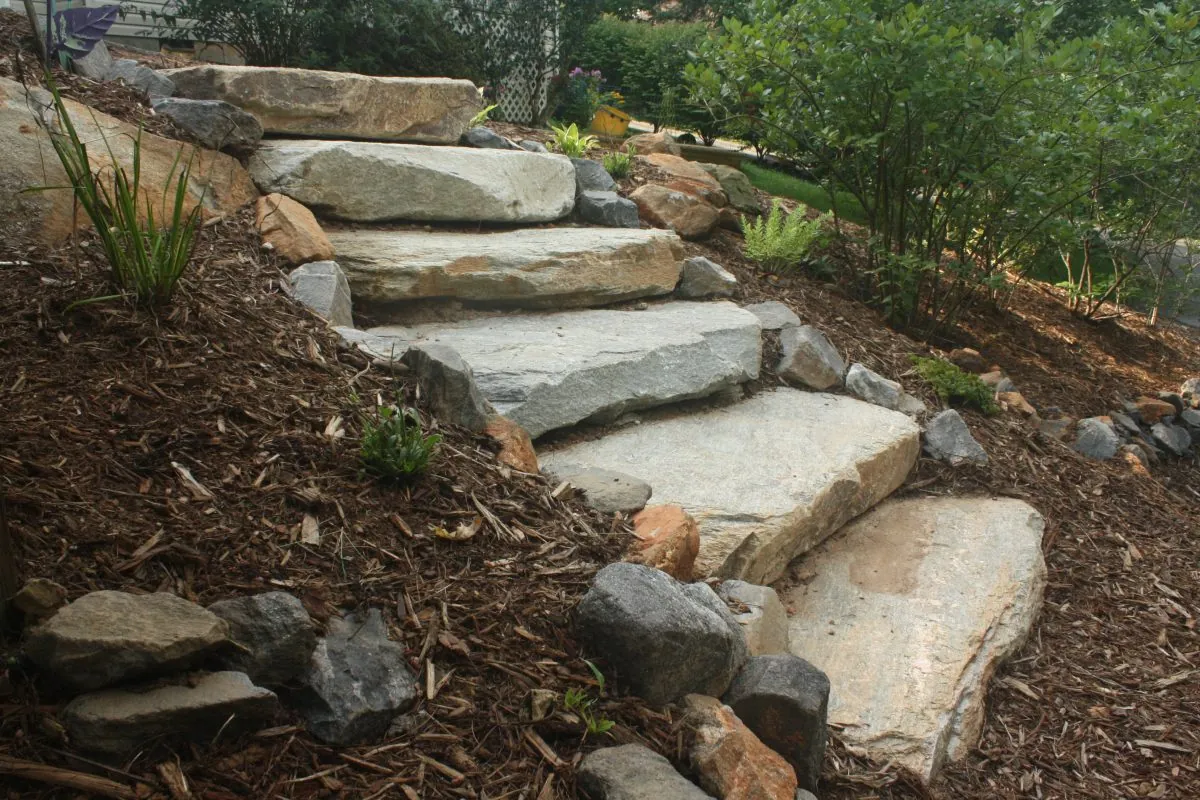
Turf takes a beating from running dogs, especially at fence lines and favorite routes. A few things help: durable groundcovers in the spots that get hammered, mulch choices that are safe if nibbled (avoid cocoa mulch, which is toxic to dogs; we use hardwood), and hardscape paths along the routes dogs naturally patrol so you're not fighting a permanent mud trail.
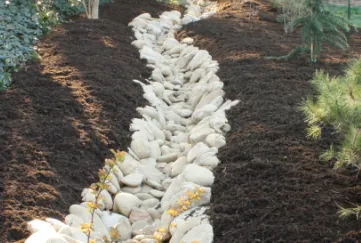
Smooth river rock and flagstone are easy on paws and easy to hose off. We often build a defined path or patio exactly where the dog already runs, working with the animal's habits instead of against them.
Design the layout around how your dog actually uses the yard
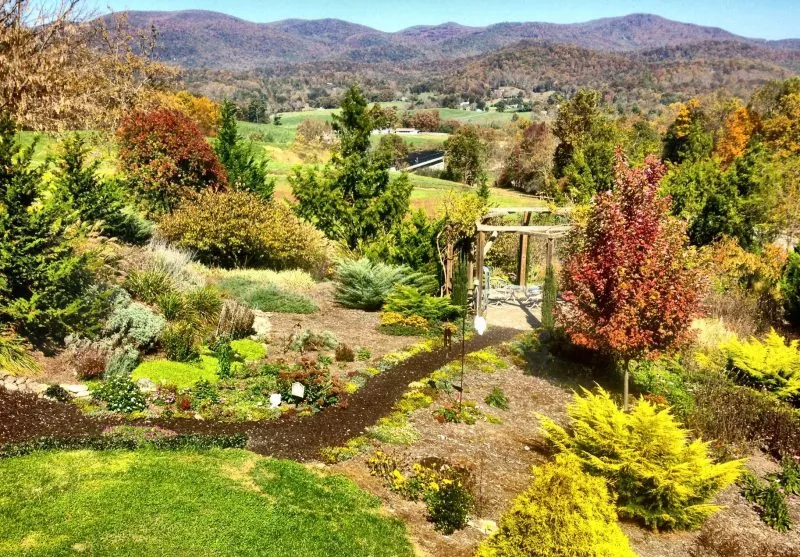
This is the part people miss. Dogs have patterns: a patrol route along the fence, a shady spot they flop in, a corner they always aim for. Good pet-friendly design reads those patterns and builds around them: open lawn kept where they run, planting beds protected or raised where you don't want them trampled, and shade and water where they rest. On that project we balanced entertaining space with open lawn specifically so the dog had room to run and play without wrecking the beds.
A few small touches that go a long way
- A rinse station or spigot near the door for muddy paws.
- Secure, thoughtful fencing worked into the design rather than tacked on after.
- Shade from a tree, structure, or tall planting, so there's a cool spot in summer.
- Avoiding cocoa mulch, toxic bulbs, and thorny plants along main routes.
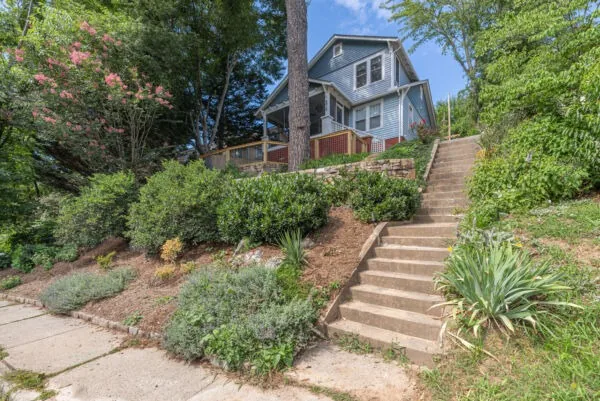
A yard that's safe for your dog is usually a more thoughtful yard overall. It just means designing around real life instead of a catalog photo. If you've got a pup who runs the show, we get it, and we build for it. See our pet-friendly Asheville backyard project, or tell us about your yard and your dog.
Frequently asked questions
What plants are safe for dogs in a landscaped yard?
Dog-safe options that also perform well in WNC include coneflower, black-eyed Susan, native asters, ornamental grasses like little bluestem and switchgrass, and shrubs such as inkberry holly and many viburnums. Avoid azaleas, rhododendrons, sago palm, foxglove, and daffodil bulbs, which are toxic if chewed.
Is mulch safe for dogs?
Hardwood mulch is generally safe and is what we use. Avoid cocoa mulch entirely. It contains the same compounds that make chocolate toxic to dogs and is dangerous if eaten. If you have a dog that chews or eats mulch, mention it so we can plan the surfaces accordingly.
How do I keep my dog from destroying the landscaping?
Design around the dog's habits instead of against them. Keep open lawn where they run, put durable groundcover or hardscape along their patrol routes and favorite paths, protect or raise planting beds in high-traffic spots, and give them shade and a resting area so the rest of the yard stays intact.
Thinking about a project like this?
We've been designing and building landscapes across Asheville and Western North Carolina since 1997. Tell us about your property and we'll walk it with you.
Schedule a consultation or call 828-624-5136